When Real Life Refuses to Match the Aesthetic (And Why That's Actually the Best Part)

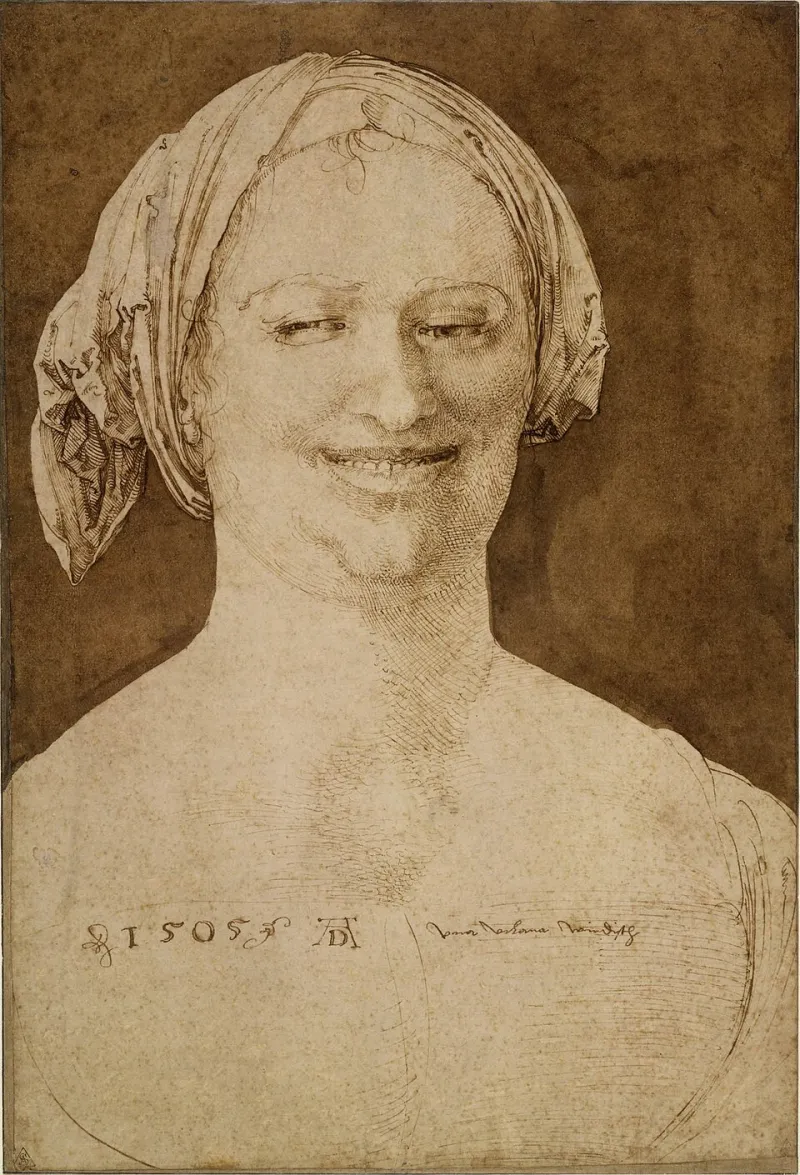
Photo: Wilfredor, CC BY-SA 4.0, via Wikimedia Commons
Let me paint you a picture.
The photo on your feed: golden hour, great outfit, coffee in hand, caption that sounds like you had it all figured out. The actual moment the photo was taken: you were running twenty minutes late, the coffee was lukewarm, and you'd just gotten news that sent your carefully laid plans sideways.
But the lighting was good, so.
We've all been there. And most of us don't talk about the part that came before or after the frame. We've gotten so practiced at presenting the edited version of our lives that the unedited parts start to feel like failures rather than, you know, life.
This piece is about the gap — the space between the curated and the chaotic — and why I think that gap is actually where the most compelling, most connective, most genuinely you storytelling happens.
The Highlight Reel Problem Nobody Wants to Admit
Here's something we all know intellectually but forget emotionally on a daily basis: everyone's feed is a best-of compilation. Nobody's posting the Sunday afternoon when they cried on the kitchen floor. Nobody's captioning the season where nothing worked out as planned with "loving this chapter!"
And yet, when we scroll through other people's perfectly composed, chronologically convenient success stories, something in our brain forgets that we're watching a highlight reel. We compare our behind-the-scenes to everyone else's final cut, and then wonder why we feel vaguely inadequate by 9 p.m.
The social comparison trap isn't new. But the way it plays out in the age of personal branding and content creation has a specific kind of cruelty to it. Because now it's not just about keeping up with the Joneses — it's about keeping up with the curated narrative of the Joneses. The aesthetic. The arc. The way everything seems to have a lesson and a resolution and a satisfying visual theme.
Real life doesn't have a visual theme. Real life has a junk drawer.
Plot Twists Are Not a Bug
I want to make a case for the plot twist. Not the triumphant pivot story — the kind where someone gets laid off and then starts a wildly successful business and looks back at the "dark time" with practiced gratitude — but the actual, in-progress, not-yet-resolved plot twist.
The one where you don't know how it ends yet. The one that doesn't have a lesson attached because you're still in the middle of it.
Those moments — the redirects, the awkward seasons, the decisions that made sense at the time and then spectacularly didn't — are the ones that make people feel less alone. Not because misery loves company, but because recognition is one of the most powerful human experiences there is. Seeing yourself in someone else's story, especially the messy parts, is a form of relief that no perfectly curated post can replicate.
There's a reason the most resonant books, films, and podcasts are the ones where something goes wrong. Conflict is the engine of narrative. Without it, you don't have a story — you have a brochure.
And nobody connects deeply with a brochure.
The Pressure to Make Everything Look Intentional
One of the quieter pressures of building any kind of public presence — whether you're a full-time creator or just someone who uses Instagram occasionally — is the expectation that your life should look intentional. Curated. On-brand.
Every career move should look like a strategic step in a master plan. Every style evolution should look deliberate. Every hard season should already have its silver lining visible from the outside.
This pressure is exhausting, and it's also, honestly, a little dishonest.
Because most of us are figuring it out as we go. Most of us have taken jobs that didn't work out, worn trends we regret, moved toward things we thought we wanted and discovered we didn't, stayed too long in rooms that weren't right for us. That's not a failure of intentionality. That's just what it looks like to be a person navigating a complicated world with imperfect information.
The obsession with making everything look intentional doesn't just create a false impression for your audience — it also messes with your own relationship to your story. When you're constantly reframing the chaos as part of the plan, you lose the ability to just sit with the fact that sometimes things are uncertain, and that's okay.
What Actually Builds Connection
Here's what I've noticed, both in the content that moves me most and in the conversations that stick with me longest: authenticity doesn't come from sharing everything. It comes from sharing honestly.
Those aren't the same thing.
You don't have to post about every hard thing in real time. You don't owe the internet your unprocessed grief or your half-formed decisions. But there's a version of showing up that includes the plot twists — that acknowledges the gap between the feed and the reality — without turning your life into a confessional.
It sounds like: "This wasn't the plan, but here's what I'm learning." Or: "I had a whole vision for this and it went sideways, and I'm still kind of figuring out what comes next." Or even just: "This photo looks calm but my week has been a lot."
Small acknowledgments of the full picture. Little cracks in the polish that let the light in.
Those moments don't diminish your brand or your credibility. They build it — because they signal that you're a real person navigating real things, not a highlight reel performing at people.
The Story Gets Good in the Middle
We tend to think the interesting part of any story is the triumphant ending. The glow-up. The arrival. But actually, the part that keeps you reading — the part that makes you feel something — is almost always the messy middle.
The season where the character doesn't know what they're doing. Where the path isn't clear. Where they make choices that don't pan out and have to reckon with that.
Your life has a messy middle. Probably more than one. And those chapters — the ones that don't photograph well, that don't have a clean narrative arc yet, that you're still too close to fully understand — those are not the parts to hide.
Those are the parts that make your story worth telling.
So the next time your real life refuses to match your aesthetic, consider that maybe it's not a problem to solve. Maybe it's an invitation to let the story get a little more interesting.
The plot twist isn't the detour from your story. It might just be the best part of it.