The Forgotten Superpower of Being Easy to Talk To
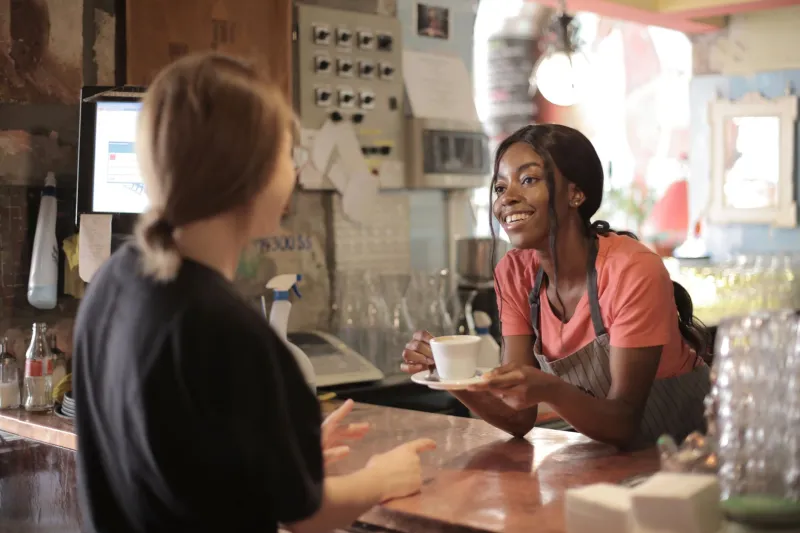
Somewhere along the way, small talk became the villain of American social life. We mock it in essays, we dread it at parties, we celebrate our supposed inability to do it like it's a personality trait. "I'm just bad at small talk" has become a badge of honor, worn by people scrolling their phones in the corner of a happy hour they paid $18 for a drink to attend.
I'd like to make an unfashionable argument: small talk is not beneath you. It's a skill, it's learnable, and it might be the most underrated social asset you have.
What Small Talk Is Actually For
The mistake is thinking small talk is about the content. It isn't. Nobody remembers the weather conversation. The content is a pretext; the actual transaction is signaling. "I'm friendly. I'm safe. I'm open to knowing you." That's what "crazy traffic out there, huh" really means, and it's why every culture on earth invented some version of it.
Small talk is the on-ramp. Deep friendship, great romances, job offers, the neighbor who watches your dog — all of it starts with a low-stakes exchange that tests whether two strangers want to keep talking. Skip the on-ramp and you're just a person standing on the shoulder of the highway, gesturing at intimacy you haven't earned.
The Skills Nobody Taught You
The good news is that being good at small talk is mostly a handful of small, repeatable moves.
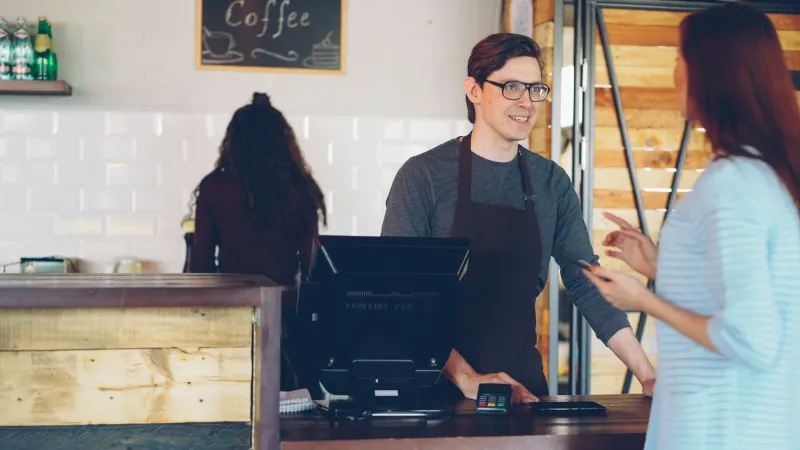
Comment on the shared moment. The line at the coffee shop, the horrific parking situation, the dog wearing a raincoat. Shared context is the easiest opening in the world because you already have something in common: you're both here.
Ask questions with a hook in them. "Where are you from?" dead-ends. "How'd you end up in Denver?" invites a story. One requires a fact; the other offers an opening.
Actually listen to the answer. Half of bad small talk is people waiting for their turn. The other half is not noticing the detail — the marathon shirt, the book in their hand — that was handed to you as a gift. "Is that a good one? I've been meaning to read it" has started more real conversations than any clever line ever written.
Know how to leave. This is the part everyone skips. "Well, I won't keep you — good luck with the move" is a skill. Ending warmly on purpose is what makes people want to talk to you again.
The Reps Matter More Than the Talent
Here's the part that should make you optimistic: this is a muscle, not a gift. The barista, the guy at the dog park, the parent next to you at school pickup — these are low-stakes reps. Every brief exchange with no outcome attached makes the next one easier.
And the payoff compounds in ways that have nothing to do with networking. People who are easy to talk to get invited to things. They hear about the job before it's posted. They know their neighbors' names, which research keeps telling us is one of the strongest predictors of feeling at home in a place.
In a country where loneliness has been formally declared an epidemic, the ability to chat comfortably with a stranger isn't small. It might be civic infrastructure.
So the next time you're standing in line and the silence stretches out, consider saying the thing about the raincoat dog. It won't change your life. But it might change your afternoon — and every big thing starts small.